A credit card fuel surcharge waiver is a card benefit that reverses some or all of the eligible surcharge added to a fuel transaction. It does not automatically make every petrol-pump payment free of extra cost. The transaction may need to fall within a minimum and maximum amount, the waiver may have a statement-cycle cap, GST may remain, and the terminal must identify the payment as eligible fuel spend.
That is why a pump receipt, a pending card transaction and the final statement can show different amounts. The fuel purchase posts first; the acquiring side may add a surcharge and applicable tax; the card issuer may then post a separate waiver credit.
What is a fuel surcharge on a credit card?
A fuel surcharge is an additional card-processing amount associated with a petrol-pump transaction. It is separate from the price of petrol or diesel. The acquiring bank or payment setup used by the merchant can affect what is charged, while your card issuer controls whether its product later provides a waiver.
There is no single RBI-mandated waiver percentage, transaction range or monthly cap for all cards. Those are product terms. The RBI's current card directions require transparent card disclosures, but a fuel waiver remains a contractual benefit rather than a universal entitlement.
The SBI Card Most Important Terms and Conditions, for example, explains that the acquiring bank levies its stated fuel surcharge and that eligible cards receive a product-specific waiver excluding GST. Treat that as an issuer example, not a rule for every bank.
How a 1% fuel surcharge waiver is calculated
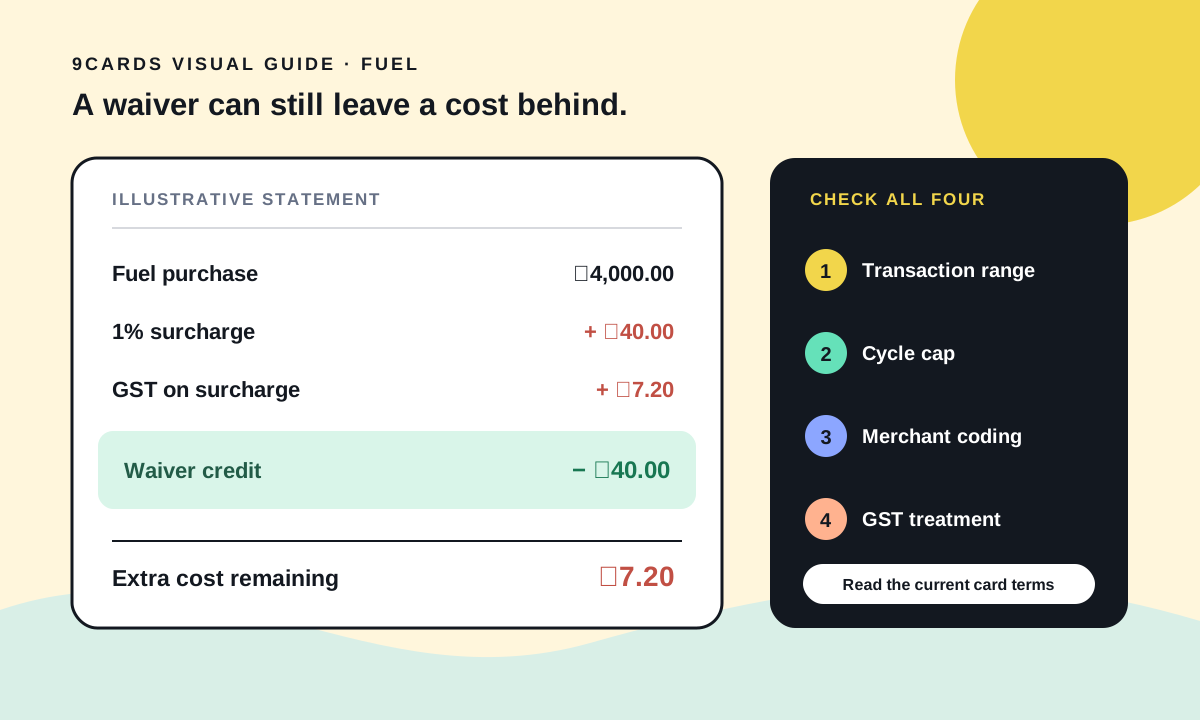
Consider an illustrative ₹4,000 fuel transaction where the surcharge is 1% and GST is charged on that surcharge. Assume the card waives the eligible 1% surcharge but excludes GST.
| Statement component | Illustrative amount | What happens |
|---|---|---|
| Fuel purchased | ₹4,000.00 | Remains payable |
| 1% fuel surcharge | ₹40.00 | Added by the transaction flow |
| 18% GST on ₹40 | ₹7.20 | Added as applicable tax |
| Surcharge waiver credit | -₹40.00 | Posted separately if eligible |
| Extra cost after waiver | ₹7.20 | GST remains in this example |
A benefit described as a “1% fuel surcharge waiver” therefore may leave tax behind. The exact tax treatment, rate and posting description must come from your card's latest terms and statement. Do not use this illustration as a quote for a particular card.
Five terms decide whether the waiver works
Eligible transaction range
Many cards only waive the surcharge when each fuel purchase falls between stated minimum and maximum values. A ₹300 top-up or a ₹12,000 fleet purchase may fail even when a ₹2,000 purchase qualifies.
Waiver cap
A monthly or statement-cycle cap limits the rupees returned, not necessarily the amount you may spend. If the cap is ₹100 and the eligible surcharge rate is 1%, only about ₹10,000 of otherwise eligible fuel spend can produce the full waiver before tax and rounding.
Merchant category and terminal
Card systems identify merchants using category and transaction data. A payment at the convenience store attached to a petrol pump may not be coded as fuel. A wallet load, QR route or incorrectly configured terminal can also post differently from a direct card payment at the pump.
GST treatment
Some terms expressly exclude GST from the waiver. A full surcharge credit can therefore coexist with a small net cost. Look for “excluding applicable taxes” rather than assuming the word waiver covers every line.
Posting timeline
The surcharge and waiver may not post together. Wait for settlement and the timeline stated by the issuer before treating a pending amount as a missing benefit.
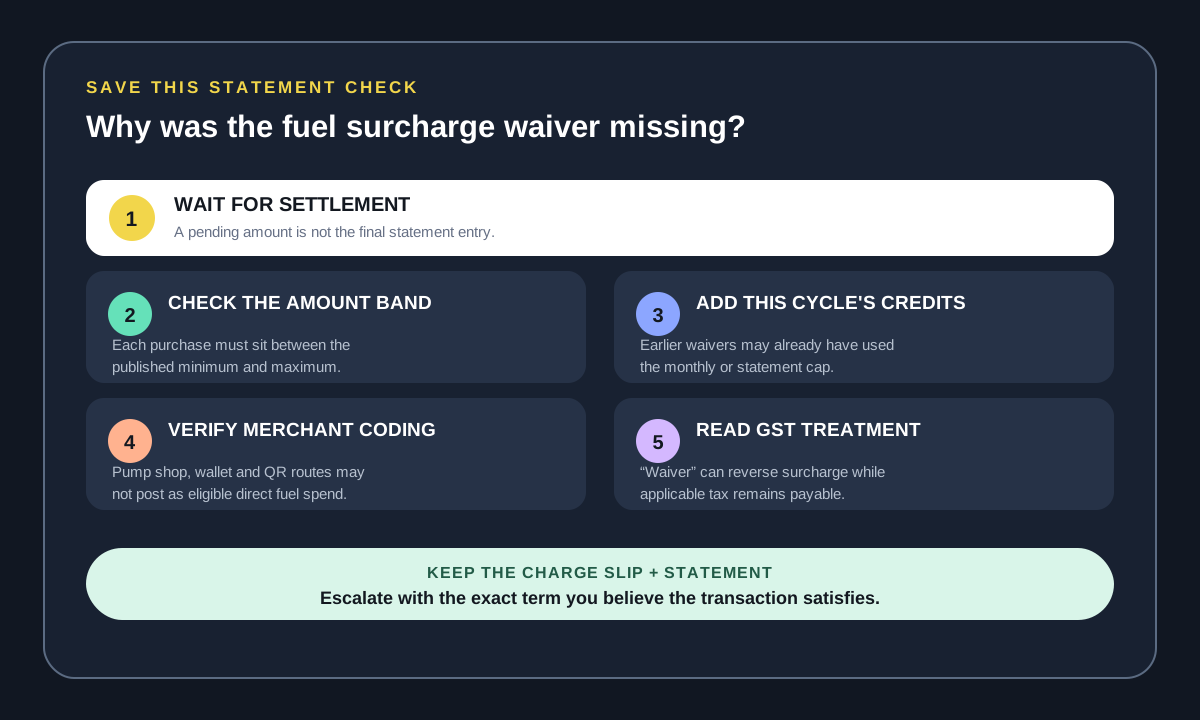
Why was my fuel surcharge waiver not credited?
Work through the statement rather than the SMS alert:
- Confirm the transaction has settled, not merely been authorised.
- Check that the individual purchase sits inside the eligible amount range.
- Add earlier waiver credits in the same statement cycle to see whether the cap is exhausted.
- Check the merchant description and category with the issuer.
- Confirm your exact card variant offers the waiver; cards from the same bank can differ.
- Read whether GST is excluded.
- Save the charge slip and raise a service request after the promised posting window.
Ask the issuer to explain the failure against a specific term: transaction range, cap, merchant category or card eligibility. “The waiver did not come” is harder to resolve than “This settled ₹2,000 fuel transaction is inside the published range and the cycle cap is unused.”
Does fuel spending earn reward points too?
Waiver eligibility and reward eligibility are different calculations. A fuel payment can receive a surcharge waiver but earn no points. It can also earn specialised fuel rewards subject to a different cap, or earn base rewards while the surcharge itself is excluded.
Use two rows in your comparison:
| Benefit | Question to check |
|---|---|
| Surcharge waiver | Which transaction amounts qualify, and what is the cycle cap? |
| Rewards or cashback | Does fuel earn, at what rate, and under which separate cap? |
Our cashback-cap guide shows how to convert a benefit cap into the spend it can actually reward. If the card charges an annual fee, compare the likely yearly fuel saving against that fee using the credit card fee-table guide.
How to compare fuel cards without the headline trap
Estimate your normal transaction size and monthly fuel spend, then calculate the smaller of the eligible surcharge and the waiver cap. Add any GST left behind and subtract only rewards you can realistically redeem.
A card with a generous percentage but a narrow transaction band may fit poorly if you buy small quantities. A card with a modest cap may still suit a commuter but not a household paying for several vehicles. The relevant number is yearly net value after annual fee—not the largest percentage printed on the page.
Frequently asked questions
Is a fuel surcharge waiver the same as fuel cashback?
No. A waiver reverses an eligible surcharge. Cashback is a separate reward on spending and can have different exclusions and caps.
Why does my receipt differ from my card statement?
The receipt can show the base fuel amount while the acquiring side adds surcharge and tax during processing. A later waiver can appear as another statement entry.
Does paying by UPI avoid the surcharge?
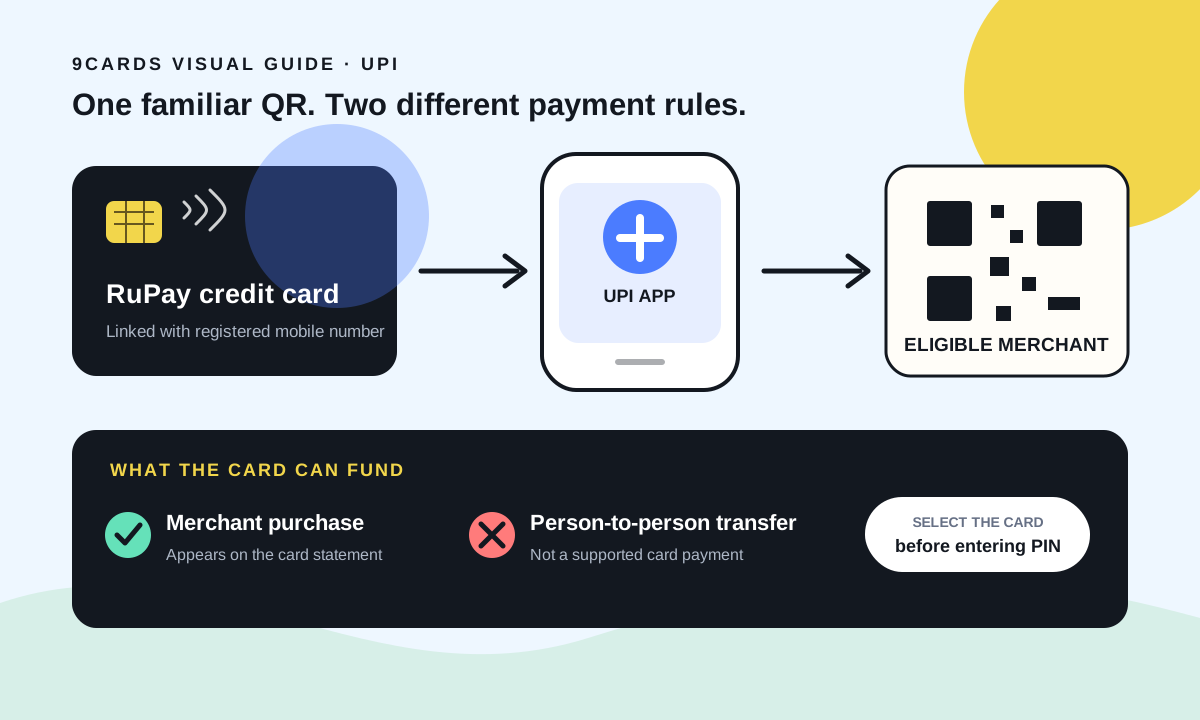
A bank-account UPI payment follows different pricing from a card transaction. A RuPay credit card selected inside UPI is still card-funded and follows the acceptance and card terms explained in our RuPay credit card on UPI guide.
Can the waiver terms change?
Yes. Transaction bands, caps, eligible cards, tax treatment and reward rules are issuer-controlled terms. Recheck the current product page and MITC before applying or relying on an old statement.
The practical answer
Treat a fuel surcharge waiver as a conditional statement credit. Verify the per-transaction range, cycle cap, merchant coding and GST treatment; then compare the annual rupees saved with the card's fee. A clean “1% waiver” headline is the start of the calculation, not the final fuel cost.
Regulatory and issuer materials checked on 31 July 2026. Product terms can change; use the current MITC for your card.